How to Adjust Your Korean Skincare Routine for Heated Indoor Spaces
How to Adjust Your Korean Skincare Routine for Heated Indoor Spaces
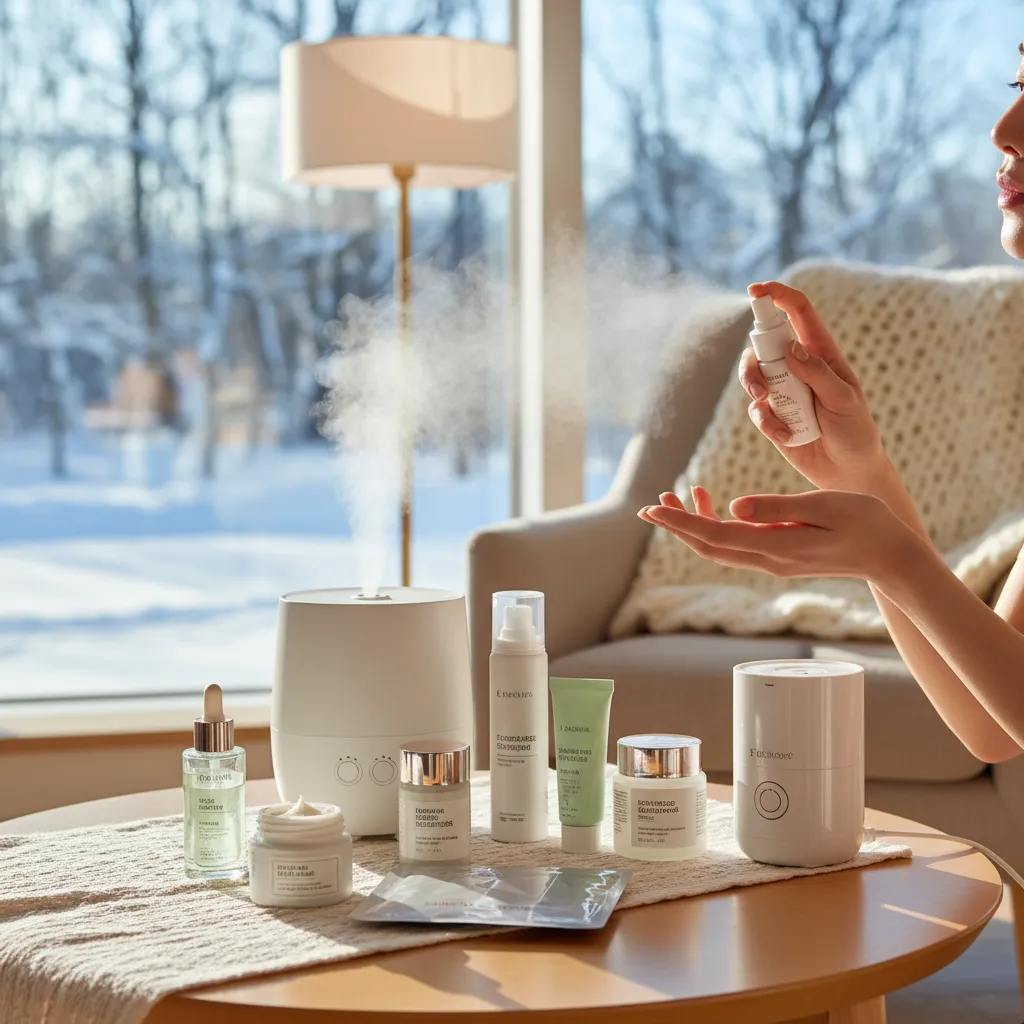
Stepping indoors from the chilly air often brings a sense of warmth and comfort. But for your skin, that cozy heated indoor environment can be a silent aggressor, silently stripping away precious moisture and compromising your skin barrier. If you're noticing increased dryness, flakiness, or even unexpected breakouts, your heated home or office is likely the culprit. Don't let your skin suffer! With a few smart adjustments to your Korean skincare routine, you can keep your complexion hydrated, plump, and glowing – achieving that coveted glass skin look, even when the thermostat is cranked up. Ready to transform your winter skin? Discover the best K-beauty products for your skin type with Bomibox and get started on your journey to radiant skin.
The Hidden Enemy: How Heated Indoor Air Affects Your Skin
Heated indoor air, whether from radiators, forced-air systems, or space heaters, is notoriously dry. This lack of humidity creates an environment where moisture rapidly evaporates from your skin, leading to a cascade of unwelcome effects. Understanding these impacts is the first step to combating them effectively with your K-beauty arsenal.
Understanding Dehydration vs. Dryness
It's crucial to differentiate between dry skin and dehydrated skin, as they require slightly different approaches.
- Dry Skin: This is a skin type characterized by a lack of oil (lipids). It often feels tight, flaky, and can look dull. Dry skin naturally produces less sebum.
- Dehydrated Skin: This is a skin condition that can affect any skin type (even oily skin!). It means your skin lacks water. Dehydrated skin might feel tight, look dull, show more prominent fine lines, and can even produce more oil to compensate for the lack of water. Heated indoor spaces primarily cause dehydration.
💡 Key Insight: While dry skin lacks oil, dehydrated skin lacks water. Heated indoor air is a primary cause of skin dehydration, making robust hydration the cornerstone of your adjusted routine.
Compromised Skin Barrier Explained
Your skin barrier, also known as the stratum corneum, is your skin's outermost layer. Think of it like a brick wall: skin cells are the bricks, and lipids (like ceramides, cholesterol, and fatty acids) are the mortar. This barrier protects your body from external aggressors (pollutants, bacteria) and prevents transepidermal water loss (TEWL).
When exposed to dry, heated air, this delicate barrier can become compromised. The "mortar" weakens, leading to microscopic cracks that allow moisture to escape more easily and irritants to enter. This results in:
- Increased sensitivity and redness
- Rough texture
- Reduced elasticity
- A dull, lackluster appearance
- Potential for breakouts as the skin tries to overcompensate
Common Skin Woes in Heated Environments
Beyond just dryness and dehydration, you might experience other issues:
- Increased Sensitivity: Your skin's protective barrier is weakened, making it more reactive to products and environmental factors.
- Flakiness and Peeling: Dead skin cells accumulate more rapidly when the skin is dry, leading to a rough texture.
- Tightness and Discomfort: A constant feeling of "pulling" on your face, especially after cleansing.
- Dull Complexion: Lack of moisture prevents light from reflecting evenly off the skin, diminishing that natural glow.
- Exacerbated Fine Lines: Dehydrated skin plumps up less, making fine lines and wrinkles appear more pronounced.
- Unexpected Breakouts: Sometimes, dehydrated skin can trigger excess oil production to compensate for the lack of water, leading to clogged pores and breakouts.
Your Essential K-Beauty Routine for Optimal Hydration
Combatting the effects of heated indoor air requires a Korean skincare routine that prioritizes gentle care, deep hydration, and robust barrier support. Here's your step-by-step guide to achieving glass skin in even the driest environments.
Step 1: Gentle Cleansing is Non-Negotiable
Forget harsh, stripping cleansers. In a dry environment, these will only exacerbate dehydration.
- Oil Cleanser (Evening): Start your evening routine with an oil-based cleanser to effectively remove makeup, sunscreen, and impurities without stripping your skin's natural oils. Look for formulas with nourishing oils like jojoba, grapeseed, or sunflower.
- Water-Based Cleanser (Morning & Evening): Follow with a pH-balanced, hydrating water-based cleanser. Choose options that are sulfate-free and contain humectants like glycerin or hyaluronic acid. The goal is to cleanse thoroughly but gently, leaving your skin feeling clean, not tight.
Step 2: Hydrating Toners & Essences – Layer, Layer, Layer!
This is where the magic of Korean skincare routines truly shines for hydration. Toners and essences are your first line of defense against dehydration.
- Hydrating Toner: Immediately after cleansing, apply a hydrating toner. Skip astringent toners that contain alcohol. Instead, opt for toners rich in humectants like hyaluronic acid, glycerin, or panthenol. Pat it onto your skin while it's still damp from cleansing.
- Essence: Follow with an essence, which is a concentrated boost of hydration and active ingredients. Essences are lighter than serums but deliver potent benefits, preparing your skin to absorb subsequent products even better. Look for ingredients like fermented ingredients (galactomyces, bifida ferment lysate), snail mucin, or birch sap. Layering 2-3 layers of a hydrating toner or essence is a common K-beauty practice that significantly boosts moisture levels.
Step 3: Serums & Ampoules – Your Concentrated Moisture Boost
These are the powerhouses of your routine, delivering targeted treatments and intense hydration.
- Hydrating Serum/Ampoule: Choose serums or ampoules specifically formulated for hydration and barrier repair. Key ingredients to look for include:
- Hyaluronic Acid: A superstar humectant that attracts and holds up to 1000 times its weight in water.
- Ceramides: Essential lipids that replenish the skin barrier, preventing moisture loss.
- Snail Mucin: Known for its hydrating, repairing, and soothing properties.
- Centella Asiatica (Cica): Calms irritation and supports skin healing.
- Glycerin: Another powerful humectant that draws moisture into the skin.
- Apply a few drops to your face and neck, gently patting until absorbed. You can even layer different serums if your skin needs multiple benefits.
Step 4: Moisturizers – Seal the Deal
Your moisturizer is critical for locking in all the hydration you've just applied and creating a protective barrier against the dry air.
- Rich, Emollient Moisturizer: In heated indoor environments, you'll likely need a richer moisturizer than usual. Look for creams that contain a blend of humectants (for water), emollients (for smoothness), and occlusives (to prevent evaporation).
- Emollients: Fatty acids, cholesterol, squalane, shea butter, plant oils.
- Occlusives: Petrolatum, mineral oil, dimethicone (non-comedogenic and very effective at sealing).
- Apply generously to your face and neck, pressing it gently into your skin. Don't be afraid to use a slightly thicker layer at night.
Step 5: Overnight Masks & Face Mists – Extra Defense
For an extra boost, these steps provide continuous protection and hydration.
- Overnight Sleeping Mask (2-3 times a week): A sleeping mask acts like a blanket for your skin, delivering intense hydration and nourishment while preventing moisture loss throughout the night. Look for masks with ceramides, hyaluronic acid, and nourishing plant extracts. Apply as the last step of your evening routine, before bed.
- Facial Mist (Throughout the day): Keep a hydrating facial mist handy. A quick spritz can refresh and rehydrate your skin throughout the day, especially if you spend long hours in a dry office. Ensure your mist contains humectants and avoid mists with alcohol or fragrances that can dry out the skin further. Spritz lightly over your face whenever your skin feels tight or dull.
💡 Ready to discover amazing Korean skincare? Subscribe to Bomibox and get curated K-beauty products delivered monthly.
Product Power-Ups: Key Ingredients & Smart Tools
Beyond the routine structure, focusing on specific ingredients and incorporating smart tools can significantly enhance your skin's resilience against dry indoor air.
Hero Hydrators: What to Look For
When shopping for Korean skincare products, prioritize these ingredients for maximum hydration and barrier support:
- Hyaluronic Acid (HA): A humectant powerhouse that draws moisture from the air and deeper skin layers to the surface. Look for products with different molecular weights for multi-depth hydration.
- Glycerin: Another excellent, affordable humectant found in most hydrating products.
- Snail Mucin (Snail Secretion Filtrate): Rich in hyaluronic acid, glycoproteins, and enzymes, it's fantastic for hydration, repair, and soothing irritation. A staple in many K-beauty products.
- Ceramides: Essential lipids that are the "mortar" of your skin barrier. Replenishing ceramides helps to repair and strengthen your skin's natural protective layer.
- Centella Asiatica (Cica): Known for its soothing, anti-inflammatory, and wound-healing properties. Ideal for calming irritated or compromised skin.
- Panthenol (Vitamin B5): A humectant that also has soothing and barrier-strengthening properties.
Emollients & Occlusives: The Barrier Builders
These
Finding the right products for your skin can be overwhelming, especially with the vast array of options available in Korean skincare. This is where Bomibox can make your journey easier and more enjoyable. Bomibox is a subscription service that curates a selection of high-quality Korean skincare products tailored to your skin's needs. Each box includes a variety of items, such as cleansers, toners, serums, masks, and moisturizers, allowing you to discover and experience the best of K-beauty. By subscribing to Bomibox, you receive expertly chosen products that help you build a comprehensive and effective skincare routine, ensuring you achieve the clear, glowing skin you desire.

Related Articles
- Bomibox Summer Glow 2024
- Korean Skincare Melasma
- 10 Powerful Korean Skincare Tips For Combating Melasma
- Bomibox Spring Awakening 2024
- Bomibox Fresh Refresh February 2025
- How To Slug With Korean Skincare
- How To Get Glass Skin Your Korean Skincare Routine For Deep Hydration
- How To Do A Morning Korean Skincare Routine For Busy Women
- Acne And Korean Skincare
- Unlock The Secret To Glowing Skin A Step By Step Korean Skincare Routine
Last updated: January 20, 2026
Reviewed by: Bomibox Team