How to Choose Korean Exfoliators: Physical vs. Chemical for Glass Skin
How to Choose Korean Exfoliators: Physical vs. Chemical for Glass Skin
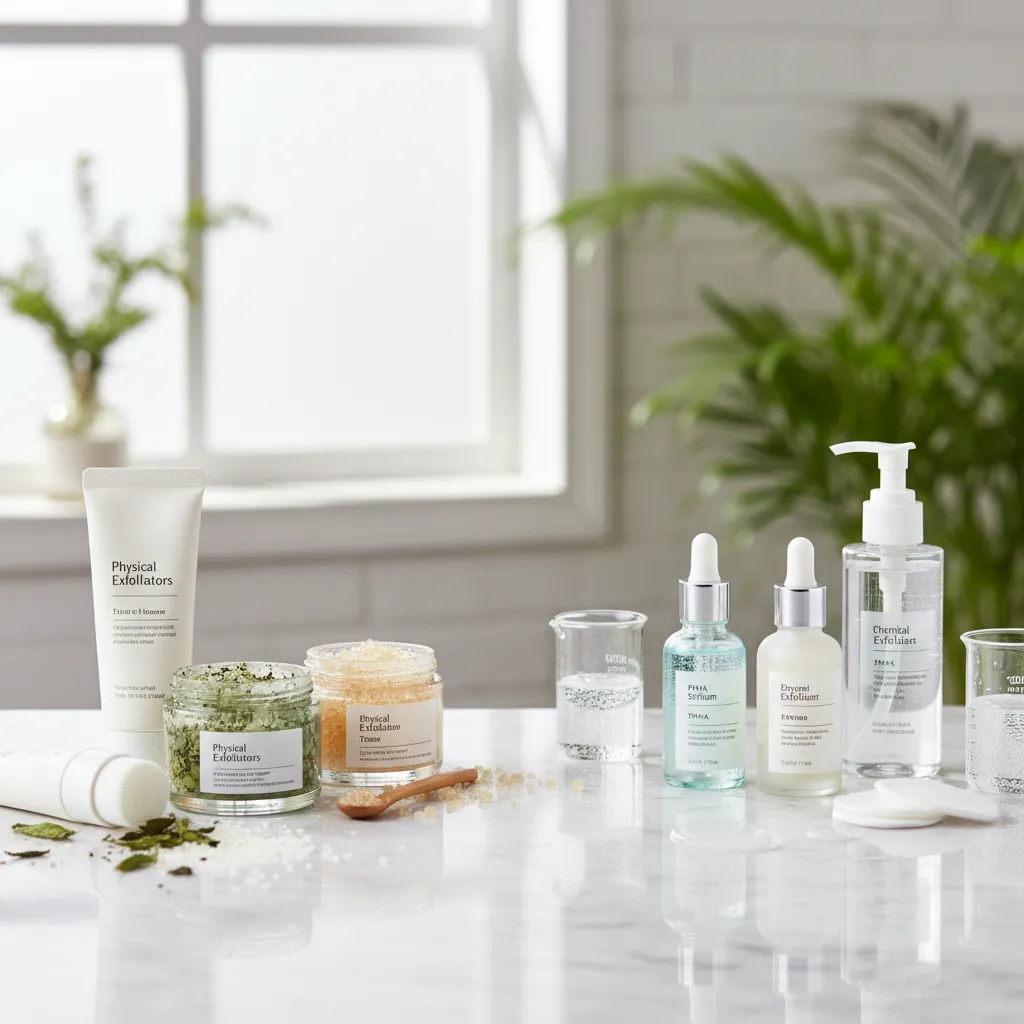
Achieving that coveted glass skin glow is a dream for many, and a crucial step in any successful Korean skincare routine is exfoliation. But with so many options available in the vast world of K-beauty, how do you know which type of exfoliator is right for you? It's a common question, and today, we're diving deep into the world of Korean exfoliators: the age-old debate of physical vs. chemical exfoliation. We'll explore the unique benefits of each, guide you on how to choose based on your skin type and concerns, and help you integrate them seamlessly into your routine for truly radiant skin in 2026.
Exfoliation isn't just about scrubbing away dead skin; it's about revealing a brighter, smoother, and healthier complexion. Korean beauty emphasizes gentle yet effective exfoliation to promote cell turnover, prevent clogged pores, and enhance the absorption of your other beloved K-beauty products. Let's uncover the secrets to finding your perfect match!
Why Exfoliation is Key to Your K-Beauty Routine
Before we pit physical against chemical, let's understand why exfoliation is non-negotiable for that glass skin finish. Our skin naturally sheds dead cells, but sometimes it needs a little help. When dead skin cells build up, they can lead to dullness, rough texture, clogged pores, breakouts, and even prevent your expensive serums and essences from truly penetrating.
Exfoliating regularly helps:
- ✨ Boost Radiance: Uncover fresh, new skin cells for a brighter, more luminous complexion.
- 🔬 Improve Texture: Smooth out rough patches and uneven skin tone.
- 🚫 Prevent Breakouts: Keep pores clear from dead skin cells and excess sebum.
- 💧 Enhance Product Absorption: Allow your serums, ampoules, and moisturizers to work more effectively.
- 🌟 Stimulate Cell Turnover: Encourage your skin to regenerate, leading to healthier, more youthful-looking skin.
In Korean skincare, the focus is often on gentle exfoliation, avoiding harsh scrubs that can compromise the skin barrier. This philosophy is evident in the diverse range of K-Beauty Product Types available, designed to cater to every skin concern with care.
Decoding Physical Exfoliators: Gentle Buffing for Smoothness
When you think of exfoliation, physical exfoliators are probably what first come to mind. These products use small particles or tools to manually buff away dead skin cells from the surface. However, the K-beauty approach to physical exfoliation is often much gentler than what you might be used to.
What are Physical Exfoliators?
Physical exfoliators work by literally "scrubbing" away dead skin cells. In the realm of Korean skincare, this category includes:
- Peeling Gels: These are perhaps the most iconic Korean physical exfoliators. They typically contain cellulose that balls up when massaged onto dry skin, visually gathering dead skin cells and impurities. It's a satisfying, gentle way to exfoliate without harsh abrasives.
- Enzyme Powders/Cleansers: These innovative cleansers transform into a foamy lather when mixed with water. They often contain fruit enzymes (like papain from papaya or bromelain from pineapple) that act as very mild physical exfoliants, gently dissolving dead skin cells.
- Konjac Sponges: Made from the root of the konjac plant, these soft, squishy sponges provide a super gentle daily physical exfoliation when used with your cleanser. They are perfect for even the most sensitive skin types.
- Mild Scrubs: While less common in modern K-beauty trends due to the emphasis on gentleness, some traditional Korean brands still offer scrubs with very fine, non-abrasive particles (like sugar, rice powder, or finely ground seeds) designed for specific skin concerns. The key here is fine and gentle.
Pros of Physical Exfoliators
- Instant Gratification: You often feel and see immediate results—smoother skin right after use.
- Easy to Use: Generally straightforward application.
- Targeted: You can focus on specific areas of concern, like rough patches.
- Gentle K-Beauty Formulations: Korean peeling gels and enzyme powders are designed to be much less abrasive than traditional Western scrubs.
Cons of Physical Exfoliators
- Risk of Over-Exfoliation: If used too aggressively or too frequently, especially with traditional scrubs, they can cause micro-tears, irritation, and compromise your skin barrier.
- Less Penetrating: They only work on the very surface of the skin, not addressing deeper pore concerns.
- Not for All Skin Types: Highly sensitive skin, active acne, or rosacea can be easily irritated by any form of physical scrubbing.
How to Use Korean Physical Exfoliators Effectively
- Cleanse First: Always start with a clean face.
- Dry Skin (for peeling gels): Apply peeling gels to dry skin for the best effect. For enzyme powders, mix with water to create a lather.
- Gentle Massage: Use light, circular motions. Let the product do the work, don't press hard.
- Rinse Thoroughly: Ensure all product and exfoliated bits are rinsed off.
- Follow with Hydration: Immediately follow up with a toner, essence, serum, and moisturizer to soothe and hydrate your freshly exfoliated skin.
💡 Pro Tip for Physical Exfoliators: Less is more! Even with gentle Korean formulations, limit use to 1-2 times per week. Pay attention to how your skin feels. If you experience redness or tightness, reduce frequency.
💡 Ready to discover amazing Korean skincare? Subscribe to Bomibox and get curated K-beauty products delivered monthly. We handpick the best of K-beauty, including gentle exfoliators, to help you achieve your skin goals.
Unlocking the Power of Chemical Exfoliators: Science for Smooth Skin
Chemical exfoliators might sound intimidating, but they are often the gentlest and most effective way to exfoliate, especially for those seeking glass skin and addressing specific concerns like acne, dullness, and fine lines. They use acids or enzymes to dissolve the "glue" that holds dead skin cells together, allowing them to slough off naturally.
What are Chemical Exfoliators?
These incredible K-Beauty Product Types use various acids to encourage cell turnover:
- Alpha Hydroxy Acids (AHAs): Water-soluble acids derived from fruits and milk.
- Glycolic Acid: The smallest AHA molecule, it penetrates deeply to address sun damage, fine lines, and uneven skin tone. Great for normal to dry skin.
- Lactic Acid: A larger molecule, making it gentler than glycolic acid. It also offers hydrating benefits. Ideal for dry and sensitive skin.
- Mandelic Acid: The largest AHA molecule, very gentle and less irritating. Excellent for sensitive skin and those prone to hyperpigmentation.
- Beta Hydroxy Acids (BHAs): Oil-soluble acids that can penetrate into pores.
- Salicylic Acid: The most common BHA, it's a superstar for oily, acne-prone skin, blackheads, and whiteheads. It dissolves sebum and dead skin cells inside the pore.
- Poly Hydroxy Acids (PHAs): The new generation of chemical exfoliants, known for their extreme gentleness.
- Lactobionic Acid and Gluconolactone: Larger molecules than AHAs, meaning they penetrate the skin more slowly and superficially, causing less irritation. They also have humectant (moisture-binding) and antioxidant properties. Perfect for very sensitive skin, rosacea, or those new to chemical exfoliation.
Korean beauty brands often formulate their chemical exfoliants with soothing ingredients like centella asiatica, green tea, and hyaluronic acid to minimize irritation and support the skin barrier.
Pros of Chemical Exfoliators
- Deeper Exfoliation: Can penetrate beyond the surface, addressing concerns like clogged pores and fine lines more effectively.
- Gentler on Skin Barrier (when used correctly): No physical scrubbing means less risk of micro-tears. PHAs, in particular, are incredibly mild.
- Addresses Specific Concerns: AHAs for dullness and texture, BHAs for acne and blackheads, PHAs for sensitive skin and hydration.
- Improved Skin Health: Promotes long-term skin renewal and collagen production.
Cons of Chemical Exfoliators
- Potential for Initial Irritation: Especially when starting, some people might experience mild redness or tingling (purging is also possible).
- Sun Sensitivity: AHAs and BHAs can increase sun sensitivity, making daily SPF absolutely essential.
- Takes Time to See Results: Unlike physical exfoliators, results are often more gradual but cumulative.
- Can Be Confusing: Understanding which acid is for what can be overwhelming initially.
How to Use Korean Chemical Exfoliators Effectively
- Cleanse First: Start with a thoroughly cleansed face.
- Apply to Dry Skin: For optimal absorption and to prevent dilution, apply to dry skin after cleansing.
- Start Low and Slow: Begin with a lower concentration and use 1-2 times per week. Gradually increase frequency as your skin builds tolerance.
Finding the right products for your skin can be overwhelming, especially with the vast array of options available in Korean skincare. This is where Bomibox can make your journey easier and more enjoyable. Bomibox is a subscription service that curates a selection of high-quality Korean skincare products tailored to your skin's needs. Each box includes a variety of items, such as cleansers, toners, serums, masks, and moisturizers, allowing you to discover and experience the best of K-beauty. By subscribing to Bomibox, you receive expertly chosen products that help you build a comprehensive and effective skincare routine, ensuring you achieve the clear, glowing skin you desire.

Related Articles
- Korean Skincare Routine With Retinol A Step By Step Guide
- Korean Skincare Melasma
- Illuminate Your Skin 2024
- How To Use Jojoba Oil In Your Korean Skincare Routine For Glass Skin
- How To Protect Your Skin From Urban Pollution With A Korean Skincare Routine
- Bomibox Glass Glow June 2025
- Layering Like A Pro Your Ultimate Guide To Korean Skincare Product Order
- Best Korean Concealers Color Correctors Your Guide To Flawless K Beauty Skin
- Complete Korean Skincare Routine Guide For Beginners
- Elevate Your Cleansing The Ultimate Guide To Korean Cleansing Brushes Devices