How to Combine Korean Skincare with Dermatologist Visits for Best Results
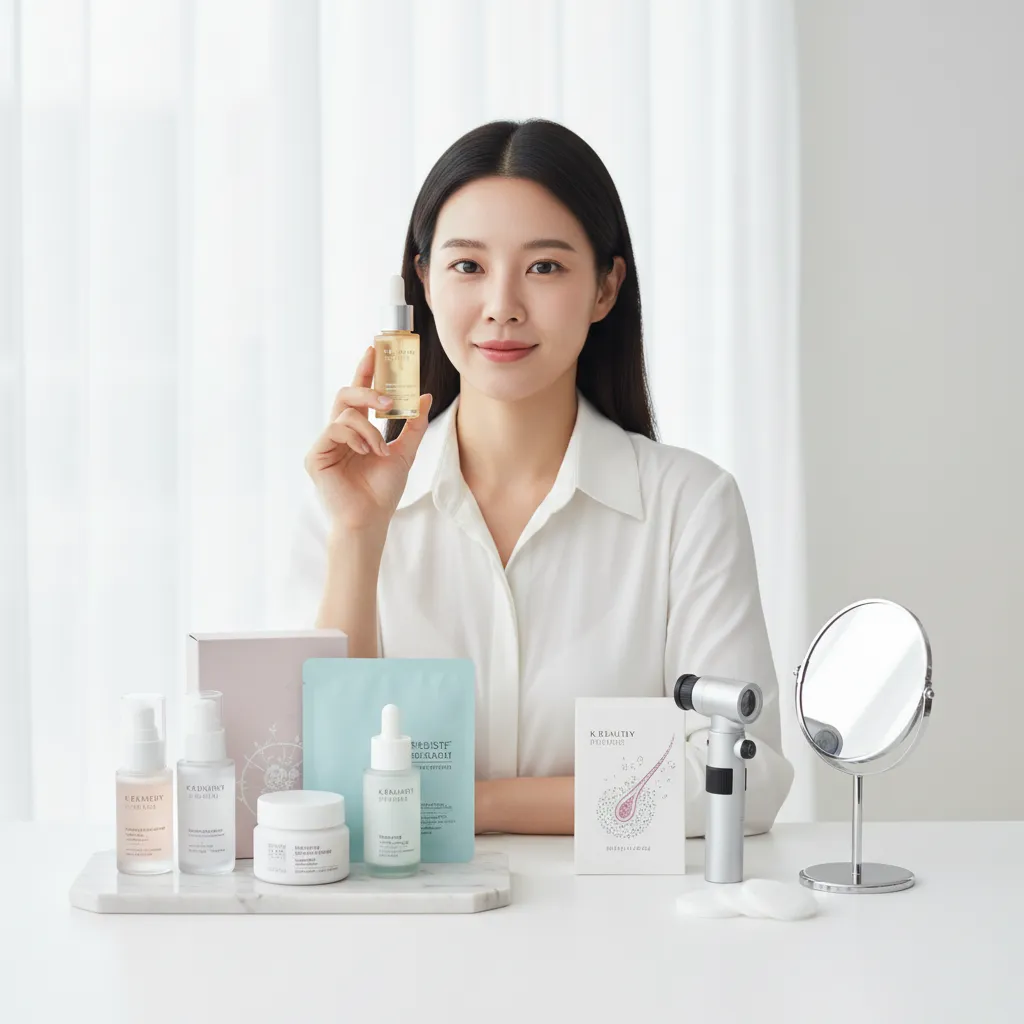
How to Combine Korean Skincare with Dermatologist Visits for Best Results
Navigating your skincare journey can sometimes feel like a puzzle, especially when you're balancing the wonders of Korean skincare with professional advice from your dermatologist. Good news: these two powerful approaches aren't mutually exclusive! In fact, when used thoughtfully, K-beauty routines can significantly enhance and support your dermatologist visits, leading to healthier, happier skin. This guide will show you how to seamlessly integrate your favorite Korean skincare products into a routine that complements professional treatments, helping you achieve your glass skin goals and address specific skincare concerns like acne, sensitivity, and hyperpigmentation. Get ready to unlock your best skin yet!
Why Korean Skincare and Dermatologist Visits Go Hand-in-Hand
Many people assume they have to choose between their beloved K-beauty regimen and a dermatologist's recommendations. But that's a misconception! Think of your dermatologist as your skin's chief architect, diagnosing issues and prescribing targeted treatments. Korean skincare, on the other hand, provides the high-quality building materials and maintenance plan to support that architecture.
The Synergy: K-Beauty's Role in Supporting Professional Care
Korean skincare is renowned for its holistic approach, emphasizing skin barrier health, gentle formulations, deep hydration, and consistent care. These principles are incredibly beneficial when working with a dermatologist.
- Pre-Treatment Preparation: A strong, hydrated skin barrier can make your skin more resilient and responsive to professional treatments, potentially reducing irritation.
- Post-Treatment Recovery: Many professional procedures, from chemical peels to laser treatments, can leave skin vulnerable. K-beauty's focus on soothing, repairing, and protecting is perfect for post-procedure care.
- Maintenance and Prevention: Beyond addressing immediate skincare concerns, a well-structured Korean beauty routine helps maintain results, prevent future issues, and promote long-term skin health. This proactive approach perfectly aligns with a dermatologist's goal of sustained skin wellness.
💡 Key Insight: Your dermatologist diagnoses and treats; Korean skincare fortifies, soothes, and maintains. Together, they create a powerful duo for optimal skin health.
Prepping Your Skin: Korean Skincare Before Your Appointment
Before your dermatologist visit, a smart Korean skincare strategy can help you get the most out of your appointment and ensure your skin is ready for examination or treatment.
Communicating Your Routine Effectively
The first and most crucial step is to be completely transparent with your dermatologist. Bring a list of all the Korean skincare products you use, including cleansers, toners, serums, moisturizers, and sunscreens. Don't forget any active ingredients you're using, like Vitamin C or retinoids. This information helps your doctor understand your current skin condition and avoid potential interactions with prescribed treatments.
What to Do: Focus on Gentle Cleansing and Hydration
In the days leading up to your appointment, especially if you're scheduled for a procedure or a skin check, simplify your Korean beauty routine.
- Gentle Cleansing: Opt for a mild, low-pH cleanser. This ensures your skin is clean without stripping its natural oils, maintaining a healthy skin barrier.
- Product Type Example: A Korean oil cleanser followed by a gentle foam or gel cleanser.
- Ingredient Focus: Look for ingredients like green tea extract, centella asiatica (Cica), or hyaluronic acid in your cleansers.
- Deep Hydration: Keep your skin well-hydrated. Hydrated skin is easier for your dermatologist to assess and generally responds better to treatments.
- Product Type Example: Layering a hydrating toner with a lightweight essence and a nourishing moisturizer.
- Ingredient Focus: Snail mucin, hyaluronic acid, ceramides, panthenol are excellent choices for boosting moisture.
- Sun Protection: Absolutely non-negotiable! Use a broad-spectrum Korean sunscreen with at least SPF 30 every single day, rain or shine. This protects your skin from UV damage, which can exacerbate many skincare concerns and interfere with treatment efficacy.
- Product Type Example: A lightweight, non-comedogenic K-beauty sunscreen that sits well under makeup.
- Ingredient Focus: Look for zinc oxide and titanium dioxide for physical protection, or newer organic filters for elegant textures.
What to Avoid: Active Ingredients and Exfoliants
Unless specifically instructed by your dermatologist, it's generally best to temporarily pause certain powerful ingredients before your visit.
- Retinoids/Retinol: Stop using these a few days to a week before your appointment, especially if you're having a peel or laser treatment. Retinoids increase skin cell turnover, making skin more sensitive.
- AHAs/BHAs (Chemical Exfoliants): Pause these a few days prior. Exfoliation can make your skin more vulnerable to irritation from professional treatments or even just during examination.
- Physical Exfoliants: Avoid scrubs or harsh cleansing brushes. These can cause micro-tears and irritation.
- New Products: Don't introduce any new Korean skincare products right before your appointment. You want your skin to be in its most stable state.
💡 Ready to discover amazing Korean skincare? Subscribe to Bomibox and get curated K-beauty products delivered monthly. Our boxes feature the latest trends and best formulations to support your skin's health.
Post-Dermatologist Care: Healing and Maintaining with K-Beauty
After your dermatologist visit, especially following procedures like extractions, chemical peels, or laser treatments, your skin will need extra TLC. This is where Korean skincare truly shines, with its emphasis on soothing, repairing, and strengthening the skin barrier.
Immediate Post-Procedure: Soothe and Protect
Your dermatologist will give you specific post-care instructions, and it's vital to follow them. However, you can often integrate gentle K-beauty products to aid recovery.
- Gentle Cleansing, Still! Continue using a mild, hydrating cleanser. Avoid rubbing or scrubbing. Pat your face dry gently with a soft towel.
- Calming and Soothing: Your skin might feel red, tender, or irritated. Reach for Korean skincare products packed with calming ingredients.
- Ingredient Focus: Centella Asiatica (Cica) is a superstar for soothing inflammation and promoting healing. Mugwort, licorice root extract, and green tea are also excellent.
- Product Type Example: A Cica cream or a soothing serum.
- Intense Hydration: Dehydrated skin struggles to heal. Layer hydrating essences, serums, and moisturizers.
- Ingredient Focus: Hyaluronic acid, squalane, ceramides, and panthenol are crucial for restoring moisture and fortifying the skin barrier.
- Product Type Example: A Korean sheet mask specifically formulated for soothing and hydration can be a wonderful treat a day or two after your procedure (check with your derm first!).
- Barrier Repair: Focus on ingredients that rebuild and strengthen your skin barrier.
- Ingredient Focus: Ceramides are lipid molecules that make up a large part of your skin barrier. Products rich in ceramides are essential.
- Product Type Example: A rich, occlusive cream or balm designed for barrier support.
- Strict Sun Protection: This cannot be stressed enough. Post-procedure skin is incredibly vulnerable to sun damage, which can lead to hyperpigmentation or delay healing. Use a high-SPF Korean sunscreen diligently and reapply every two hours. Wear wide-brimmed hats and seek shade.
Long-Term Maintenance: Sustaining Results with Your K-Beauty Routine
Once your skin has healed, your Korean skincare routine becomes instrumental in maintaining the results of your dermatologist's treatments and preventing future issues.
- Consistency is Key: Stick to your routine. Regular cleansing, toning, treating, moisturizing, and sun protection are the pillars of healthy skin.
- Targeted Treatments: If your dermatologist prescribed specific treatments for acne, hyperpigmentation, or aging concerns, integrate them as directed. You can often layer them with your K-beauty products, applying the prescribed treatment first (unless otherwise specified), then following with hydrating and soothing layers.
- Listen to Your Skin: Your skin's needs can change. Pay attention to how it feels and adjust your Korean skincare products accordingly. If it feels dry, add more hydrating layers. If it's breaking out, consider a gentle clarifying treatment.
Navigating Specific Concerns with K-Beauty & Your Derm
Let's look at how Korean skincare can specifically complement dermatologist treatments for common skincare concerns.
Acne-Prone Skin 🩹
Dermatologists often prescribe topical retinoids, antibiotics, or oral medications for acne. Korean skincare can help manage side effects and maintain clearer skin.
- Pre-Derm: Avoid harsh scrubs. Focus on gentle, non-comedogenic cleansers and lightweight hydration.
- Post-Derm (with Prescribed Actives):
- Gentle Cleansing: Use a low-pH cleanser to avoid stripping the skin, which can worsen irritation from strong acne treatments.
- Hydration & Soothing: Active acne treatments can be drying and irritating. Layer hydrating toners with hyaluronic acid, snail mucin, or beta-glucan. Follow with a soothing essence or serum containing centella asiatica or mugwort to calm inflammation.
- Non-Comedogenic Moisturizer: Choose a lightweight, non-comedogenic Korean moisturizer to lock in hydration without clogging pores.
- Sun Protection: Crucial! Many acne medications increase sun sensitivity. A K-beauty sunscreen is a must to prevent post-inflammatory hyperpigmentation (PIH).
Sensitive or Rosacea-Prone Skin 🌸
Dermatologists might suggest specific anti-inflammatory medications. K-beauty's gentle approach is a perfect match.
- Pre-Derm: Keep your routine extremely simple and gentle. Avoid any potential irritants.
- Post-Derm:
- Minimalist Routine: Focus on a few core, highly gentle products. Think skinimalism – less is often more for sensitive skin.
- Calming Ingredients: Prioritize products with centella asiatica, panthenol, allantoin, licorice root extract, and oat extract. These ingredients are known for their anti-inflammatory and soothing properties.
- Barrier Support: Ceramide-rich creams are invaluable for strengthening a compromised skin barrier, a common issue with sensitive skin and rosacea.
- Physical Sunscreen: Opt for mineral-based Korean sunscreens with zinc oxide and titanium dioxide, which are generally less irritating than chemical filters.
Hyperpigmentation (Dark Spots) ✨
Dermatologists often recommend retinoids, hydroquinone, or laser treatments. Korean skincare can enhance brightening and prevent new spots.
- Pre-Derm: Consistent sun protection is paramount.
- Post-Derm (with Brightening Actives):
- **Gentle Exfoliation (with caution):
Finding the right products for your skin can be overwhelming, especially with the vast array of options available in Korean skincare. This is where Bomibox can make your journey easier and more enjoyable. Bomibox is a subscription service that curates a selection of high-quality Korean skincare products tailored to your skin's needs. Each box includes a variety of items, such as cleansers, toners, serums, masks, and moisturizers, allowing you to discover and experience the best of K-beauty. By subscribing to Bomibox, you receive expertly chosen products that help you build a comprehensive and effective skincare routine, ensuring you achieve the clear, glowing skin you desire.

Related Articles
- How To Choose Korean Exfoliators Physical Vs Chemical For Glass Skin
- Best Korean Skincare Routine For Teens Clear Healthy Skin Tips
- How To Choose Safe Korean Skincare Products During Pregnancy
- How To Align Your Korean Skincare Routine With Lunar Cycles For Radiant Skin
- How Korean Skincare Helps Menopause Skin Changes Concerns
- How To Maintain Normal Skin Your Essential Korean Skincare Routine Guide
- How To Handle Korean Skincare Emergencies Quick K Beauty Fixes
- How To Soothe Sensitive Skin With Korean Skincare A K Beauty Guide
- How To Choose Korean Skincare For Your Age A K Beauty Guide
- How To Use Niacinamide In Your Korean Skincare Routine For Glass Skin
Last updated: January 20, 2026
Reviewed by: Bomibox Team