How Do Korean Physical and Chemical Sunscreens Differ?
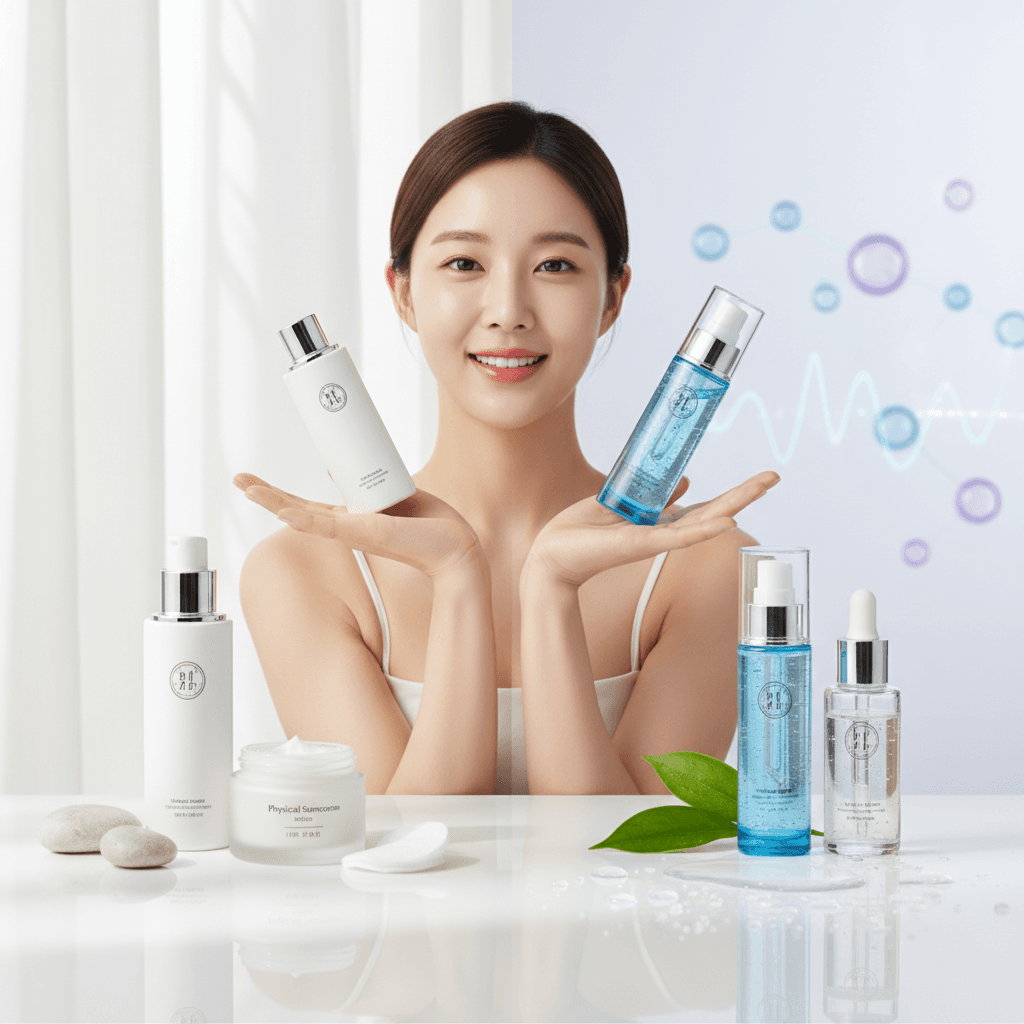
How Do Korean Physical and Chemical Sunscreens Differ?
Choosing the right sunscreen is paramount for healthy, glass skin, and when it comes to sun protection, Korean skincare leads the way with innovative formulas. But with so many options, how do you pick between Korean physical vs. chemical sunscreens? This comprehensive guide will break down the science, benefits, and differences, helping you make the best choice for your skin type and lifestyle. Get ready to master your K-beauty sun protection!
Understanding Korean Sunscreens: Why K-Beauty Excels
Sunscreen isn't just about preventing sunburn; it's your daily shield against premature aging, hyperpigmentation, and skin damage. In the world of Korean skincare, sun protection is non-negotiable, a fundamental step in achieving that coveted radiant, clear complexion. K-beauty brands have revolutionized sunscreens, moving beyond thick, greasy formulas to create elegant, lightweight, and effective options that feel like a dream on your skin.
Korean sunscreens often boast higher SPF (Sun Protection Factor) and PA (Protection Grade of UVA) ratings, indicating superior defense against both UVB (burning rays) and UVA (aging rays). They also frequently incorporate beneficial skincare ingredients like hyaluronic acid, centella asiatica (cica), and antioxidants, turning your sun protection into a multi-tasking treatment. This commitment to innovation means you're not just protecting; you're nurturing your skin.
The Importance of Daily Sun Protection in K-Beauty
Think of sun protection as the cornerstone of any effective K-Beauty Product Types regimen. Without it, all your efforts to hydrate, brighten, and soothe your skin can be undone by UV exposure. Consistent daily use of broad-spectrum sunscreen helps prevent:
- Fine lines and wrinkles: UV radiation breaks down collagen and elastin.
- Dark spots and hyperpigmentation: Sun exposure triggers melanin production.
- Uneven skin tone and texture: Damage from the sun can make your skin appear dull and rough.
- Skin cancer: The most severe consequence of prolonged UV exposure.
Korean sunscreens stand out for their advanced formulations. Many now feature new-generation UV filters that offer enhanced protection with minimal irritation, making them suitable for even the most sensitive skin types. They often come in diverse textures – from watery gels to moisturizing creams – ensuring there’s a perfect match for every preference.
The Science Behind Korean Chemical Sunscreens
Let's dive into the world of Korean chemical sunscreens. These formulas are incredibly popular due to their elegant textures and invisible finish. But how exactly do they work their magic?
How Chemical Sunscreens Protect Your Skin
Unlike their physical counterparts, chemical sunscreens don't sit on top of your skin. Instead, they contain organic (carbon-based) compounds that are absorbed into the skin's top layer. Once there, these active ingredients work by:
- Absorbing UV radiation: They act like sponges, taking in harmful UVA and UVB rays.
- Converting UV rays into heat: This absorbed energy is then converted into a tiny amount of heat, which is safely dissipated from the skin.
The key benefit here is that they don't leave a white cast, making them ideal for all skin tones and perfect under makeup. They often feel lighter and spread more easily, which is why many people prefer them for daily use.
Key Chemical Filters and Their Benefits
Korean chemical sunscreens utilize a range of advanced filters, many of which are newer and more stable than older generation filters found in Western formulations. Some common and highly effective filters include:
- Uvinul A Plus (Diethylamino Hydroxybenzoyl Hexyl Benzoate): Excellent UVA protection, highly photostable.
- Tinosorb S (Bis-Ethylhexyloxyphenol Methoxyphenyl Triazine): Broad-spectrum (UVA and UVB) protection, very stable, and helps stabilize other filters.
- Mexoryl SX (Terephthalylidene Dicamphor Sulfonic Acid): Strong UVA protection, water-soluble.
- Octinoxate (Ethylhexyl Methoxycinnamate): Primarily UVB protection, often combined with other filters.
- Homosalate: Primarily UVB protection.
- Octisalate (Ethylhexyl Salicylate): Primarily UVB protection.
These modern filters are often chosen for their efficacy, photostability (meaning they don't break down quickly in the sun), and lower potential for skin irritation compared to some older chemical filters.
Pros and Cons of Korean Chemical Sunscreens
| Pros | Cons |
|---|---|
| No white cast: Invisible finish. | Potential for irritation: Some sensitive skin types may react. |
| Lightweight texture: Feels barely there. | Wait time: Needs 15-20 minutes to absorb before sun exposure. |
| Easy to spread: Great for reapplication. | Chemical smell: Some formulas might have a slight scent. |
| Often water-resistant: Good for active lifestyles. | |
| Blend seamlessly under makeup. |
Many Korean skincare brands formulate their chemical sunscreens with soothing ingredients like green tea, centella asiatica, or niacinamide to counteract any potential irritation and boost skin health. This makes them a fantastic option for most skin types, including those prone to acne, as they tend to be non-comedogenic.
💡 Ready to discover amazing Korean skincare? Subscribe to Bomibox and get curated K-beauty products delivered monthly.
Exploring Korean Physical (Mineral) Sunscreens
Now, let's turn our attention to Korean physical sunscreens, often referred to as mineral sunscreens. These have seen a significant resurgence in popularity, especially among those with sensitive or reactive skin, thanks to innovations that have greatly improved their texture.
How Physical Sunscreens Protect Your Skin
Physical sunscreens work differently from their chemical counterparts. They contain mineral active ingredients that:
- Sit on the skin's surface: They form a protective barrier.
- Reflect and scatter UV rays: Like tiny mirrors, they bounce both UVA and UVB rays away from your skin.
The two main active ingredients in physical sunscreens are zinc oxide and titanium dioxide. These minerals offer broad-spectrum protection naturally, making them excellent choices for comprehensive defense.
Key Mineral Filters and Their Benefits
- Zinc Oxide: This is the superstar of physical sunscreens. It provides excellent broad-spectrum protection against both UVA and UVB rays. It's also known for its soothing and anti-inflammatory properties, making it great for acne-prone skin and sensitive skin.
- Titanium Dioxide: Primarily protects against UVB rays and some short-wave UVA. It's often combined with zinc oxide to achieve comprehensive broad-spectrum protection.
Modern Korean physical sunscreens have overcome the past challenge of leaving a thick, ghostly white cast. Thanks to advanced micronization and non-nano particle technology, many formulas now offer sheerer, more elegant finishes that blend surprisingly well. Some even come with a slight tint to counteract the minimal white cast.
Pros and Cons of Korean Physical Sunscreens
| Pros | Cons |
|---|---|
| Gentle for sensitive skin: Less likely to irritate. | Can leave a white cast: Though greatly improved, still possible. |
| Immediate protection: Works right after application. | Thicker texture: Can feel heavier than chemical formulas. |
| Broad-spectrum protection: Naturally blocks UVA/UVB. | May not blend as seamlessly: Can be harder to spread. |
| Good for children and pregnant individuals. | Can feel slightly drying: Some formulas, not all. |
| Soothes irritated skin: Zinc oxide has calming benefits. |
Many Korean beauty brands incorporate hydrating ingredients like ceramides or squalane into their mineral sunscreens to combat any potential dryness and ensure a comfortable wear. These are fantastic for individuals looking for a natural, non-irritating form of sun protection.
Which Korean Sunscreen Is Right for You? A Comparative Guide
Deciding between a Korean physical vs. chemical sunscreen ultimately comes down to your skin type, concerns, and personal preferences. Let's break down how to choose.
Consider Your Skin Type and Concerns
- Sensitive or Reactive Skin: If your skin easily gets red, itchy, or breaks out, physical sunscreens with zinc oxide are generally your safest bet. Their gentle, reflective action is less likely to trigger a reaction. Look for formulas with soothing ingredients like Centella Asiatica (Cica) or mugwort.
- Acne-Prone Skin: Both types can work, but look for non-comedogenic formulas. Many Korean chemical sunscreens are lightweight and gel-based, which can be great. However, zinc oxide in physical sunscreens can also offer anti-inflammatory benefits. Avoid heavy, occlusive creams.
- Oily Skin: Korean chemical sunscreens often come in lightweight, fluid, or gel textures that feel weightless and non-greasy. Look for "matte" or "oil-control" formulas.
- Dry Skin: Many Korean chemical sunscreens are infused with hydrating ingredients like hyaluronic acid or glycerin. For physical sunscreens, look for those enriched with emollients like shea butter or ceramides to prevent dryness.
- Normal/Combination Skin: You have the most flexibility! You can choose based on texture preference, finish, and the level of sun exposure you anticipate.
Lifestyle and Application Preferences
- Daily Commute/Indoor Use: If you're mostly indoors or have minimal sun exposure, a lightweight, elegant Korean chemical sunscreen is often preferred for its comfortable wear and invisible finish.
- Outdoor Activities/Sport: For prolonged sun exposure or sweating, both types can be effective if they are labeled water-resistant or sweat-proof. Physical sunscreens may stay on the skin surface better, but modern chemical formulas are very durable.
- Under Makeup: Korean chemical sunscreens typically blend seamlessly and don't interfere with makeup application. Some tinted physical sunscreens can double as a light primer.
- Reapplication: Chemical sunscreens often spread more easily over makeup, making reapplication throughout the day simpler. However, stick or spray formats are available for both types to make reapplication a breeze.
Latest Korean Sunscreen Trends to Watch in 2024
The K-beauty industry is always innovating! Here are some trends to keep an eye on:
- Hybrid Sunscreens: These combine both physical and chemical filters to offer the best of both worlds – broad-spectrum protection with a lightweight, no-white-cast finish. They are becoming increasingly popular for their balanced benefits.
- Skincare-Infused Formulas: Sunscreens are no longer just about UV protection. Expect to see more formulas packed with additional benefits like anti-aging peptides, probiotics for skin barrier support, and advanced antioxidants to fight environmental damage.
- Invisible Mineral Filters: Advances in technology mean physical sunscreens are getting better at disappearing on the skin, even on darker skin tones, thanks to ultra-fine zinc oxide and titanium dioxide.
- Sustainable Packaging: K-beauty brands are increasingly focusing on eco-friendly packaging and reef-safe formulations.
💡 Pro-Tip for Glass Skin: No matter which type you choose, apply a generous amount (about two finger-lengths for your face and neck) as the last step in your morning skincare routine. Reapply every two hours, or more often if sweating or swimming, to maintain optimal UV protection.
Remember, the best sunscreen is the one you will use consistently. Experiment with different K-Beauty Product Types and textures until you find your perfect match. A good starting point for exploring these diverse options is with a curated subscription box. Discover the latest K-beauty sunscreens with Bomibox!
Conclusion: Your Path to Protected, Radiant Skin
Navigating the world of Korean sunscreens: physical vs. chemical doesn't have to be complicated. Both types offer excellent broad-spectrum protection essential for maintaining healthy, youthful, and radiant glass skin. Chemical sunscreens excel with their lightweight, invisible finish, perfect for daily wear and blending seamlessly under makeup. Physical sunscreens shine for their gentle, immediate protection, making them ideal for sensitive, acne-prone, or reactive skin types.
The key is to understand your skin's unique needs and preferences, then choose a formula that you'll love using every single day. Korean beauty brands continue to push boundaries, offering innovative textures, enhanced filters, and beneficial skincare ingredients in every tube. By making daily sun protection a non-negotiable part of your routine, you're investing in your skin's long-term health and beauty.
External Resources for Deeper Dive:
- Learn more about individual sunscreen ingredients: INCIDecoder
- Explore the science of UV filters: Paula's Choice Skincare Education
Get Started with Bomibox Today
Ready to explore the best of Korean skincare, including cutting-
Finding the right products for your skin can be overwhelming, especially with the vast array of options available in Korean skincare. This is where Bomibox can make your journey easier and more enjoyable. Bomibox is a subscription service that curates a selection of high-quality Korean skincare products tailored to your skin's needs. Each box includes a variety of items, such as cleansers, toners, serums, masks, and moisturizers, allowing you to discover and experience the best of K-beauty. By subscribing to Bomibox, you receive expertly chosen products that help you build a comprehensive and effective skincare routine, ensuring you achieve the clear, glowing skin you desire.

Related Articles
- How To Repair Your Skin Barrier With The Korean Skincare Water Barrier Method
- Korean Skincare Lip Care Techniques For Plump Hydrated Lips
- What Are Fermented Ingredients In Korean Skincare Why Use Them
- Bomibox Nature S Best 2024
- Bomibox Glass Glow June 2025
- How To Incorporate Korean Skincare Antioxidants For Radiant Skin
- How Bamboo Extract Delivers Glass Skin Your K Beauty Ingredient Guide
- How To Use Jojoba Oil In Your Korean Skincare Routine For Glass Skin
- Bomibox Skin Reset November 2025
- How To Get Radiant Glass Skin K Beauty Routine For Dullness
Last updated: February 7, 2026
Reviewed by: Bomibox Team